NEWS

next / ongoing:

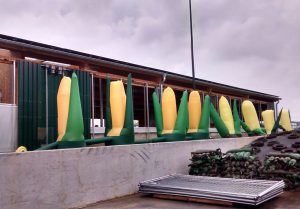
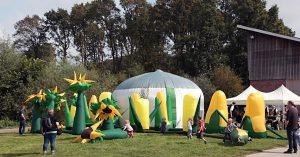
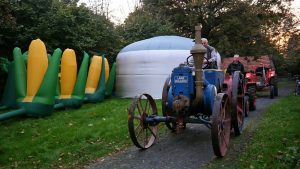
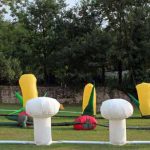
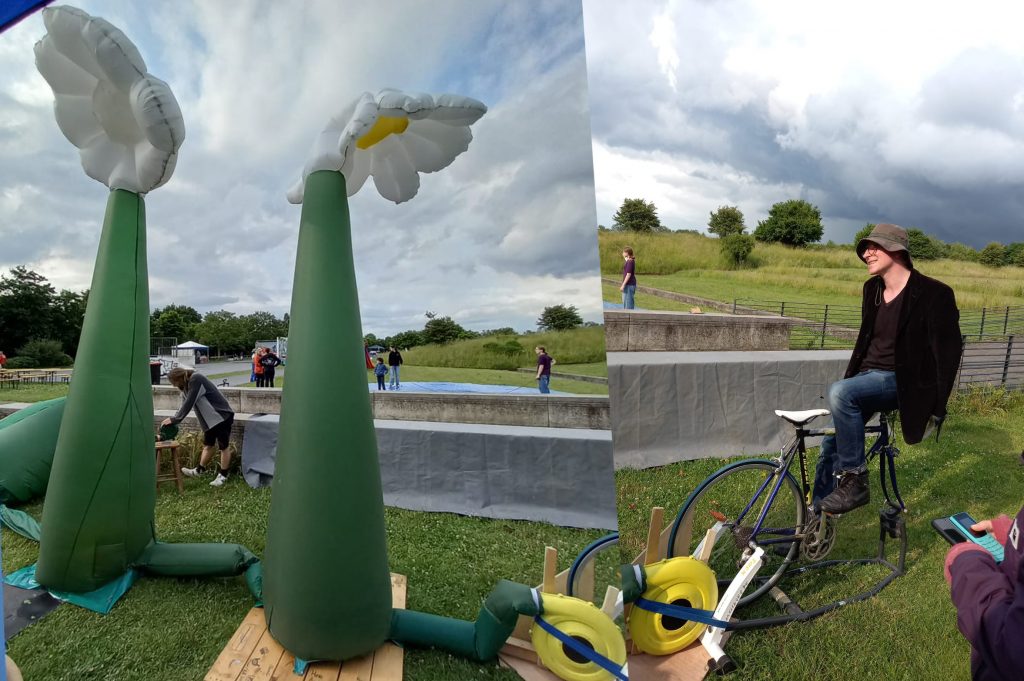
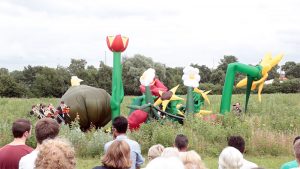
„UpCycleTheStreet!“ – inflatable flowers will blossom at Kulturpicknick at Zeche Consol (GE) on 7 and at Bobiennale from 19 to 22nd of june.
GeOrgel ’s theme in 2025 is „EinLaden“ (= a shop & invite!) with a focus on sustainable formats of a post-growth-economy as well as a series of urban interventions …

Find a „jam-room“ at GeOrgel with 5 channels with the drawers as controlers, based on a set in Ableton Live.
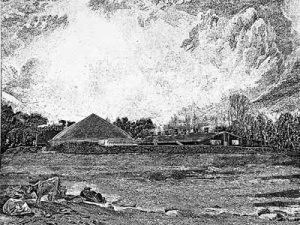
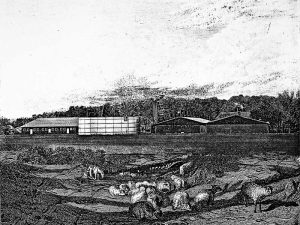
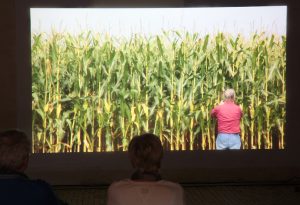
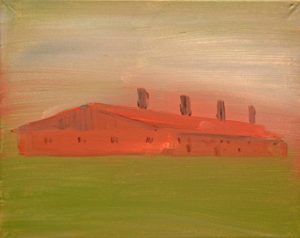
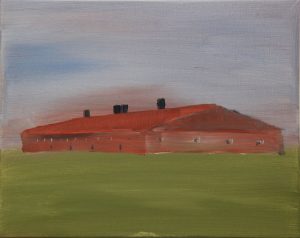
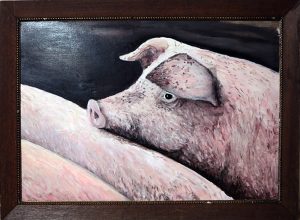
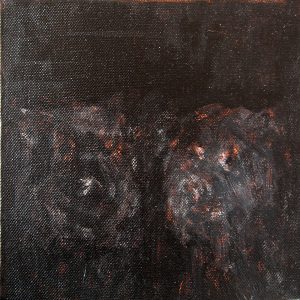
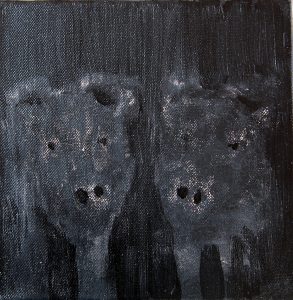
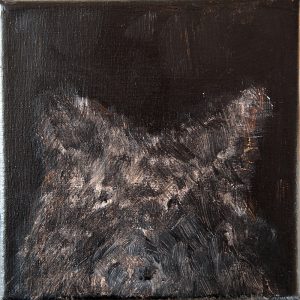
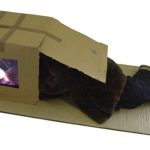
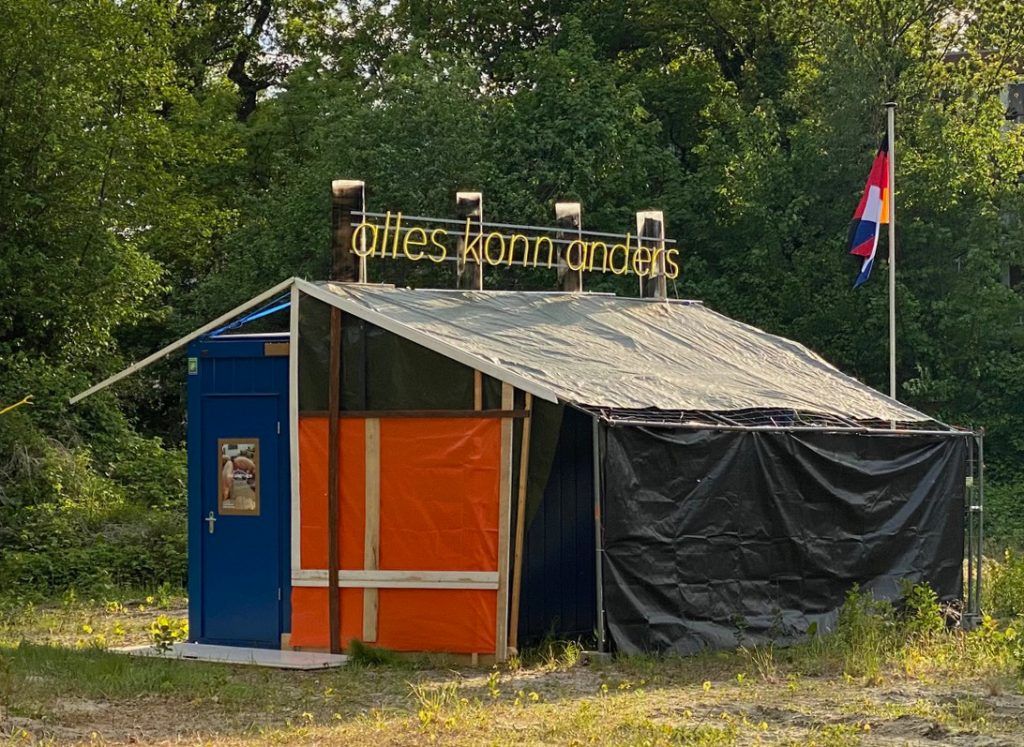
On the occasion of 80 years of peace there’s an exhibit at the border between Gronau and Enschede (NL) until july 28th. „Maststall-Kino“ is a small cinema with the looks of an industrial farm. Insinde: the video ‚pig brother„. On top the led words „alles konn anders“ signifies „everything could be different“ in a mix of dutch and german.

archive:

A „tulip“ (inflatable sculpture) is shown in the groupshow at Voilà Volière in Wattenscheid on march 29th.

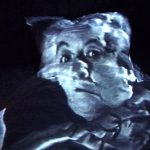
Pig Brother (shortfilm in cooperation with Harko Wubs, 2022) will be presented by videoart_club / „Nasenrücken“ / video art screening
08.11.24 at Neuland_projektraum, Bochum, Germany

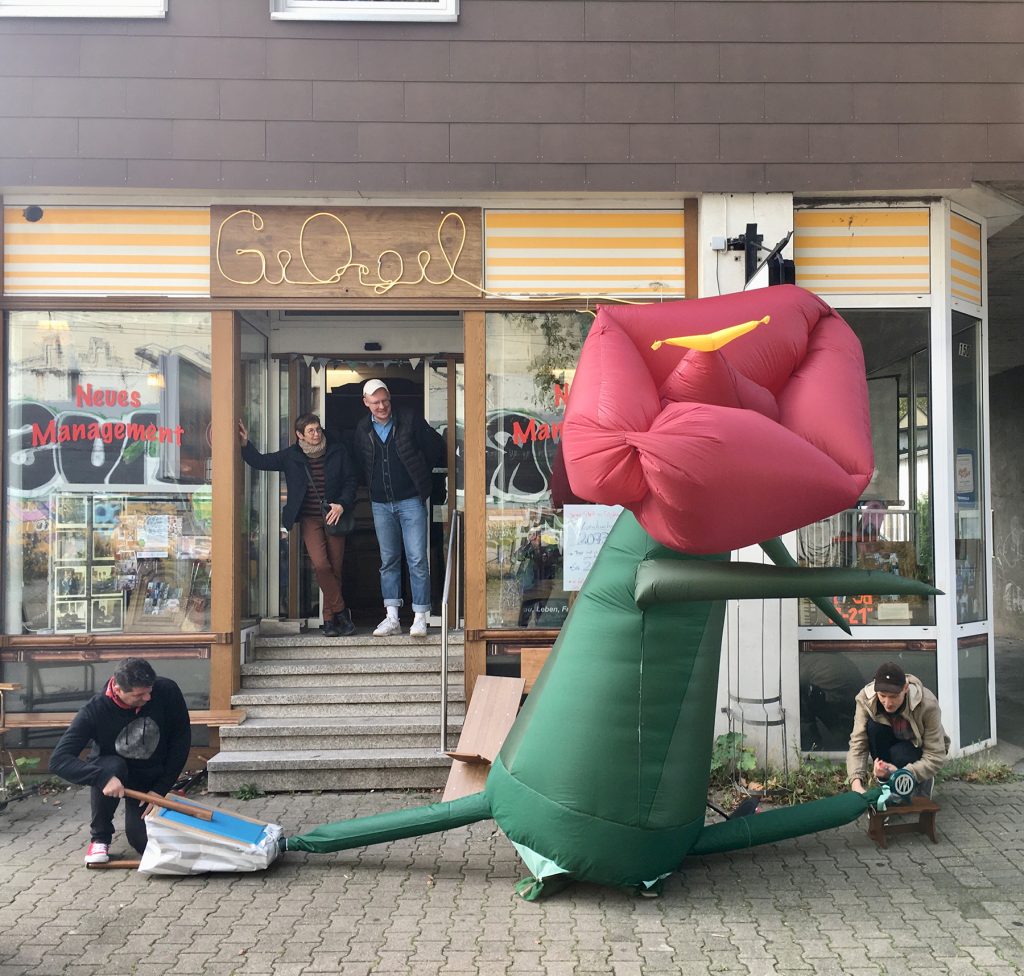
STUDIO GeOrgel in Gelsenkirchen-Ückendorf WILL CONTINUE IN 2024 and is still open for visits and now also invites people to join the URBAN INTERVENTIONS!

„UpCycleTheStreet“ is a series of interventions in public space. It focusses on durable art projects.

*the project DEKOLONIALWARENLADEN has been shown at the FLURSTÜCKE festival 2024 in Münster (Stadthausgalerie) and parts of the interviews are available online now here.

http://dekolonialwarenladen.de

Pig Brother (shortfilm in cooperation with Harko Wubs, 2022) was presented at Ecozine Filmfestival in Saragossa, Spain: we went there and were happy to also present and discuss it with students.

IN ARCHIVE EINTAUCHEN (Westfalen): a videoconcert at Cinema Münster/neben*an on dec 15th 2023 at 6:30 pm & 8 pm.

IN ARCHIVE EINTAUCHEN (Westfalen) – videocollage with footage by E. Wilms showing the city center of Münster 1945, one day before it has been mostly destroyed by air raids.

IN ARCHIVE EINTAUCHEN (Westfalen) – eine Zeitreisenveranstaltung kept us busy this year: together with my colleague Michael Rieken we traveled into the archives of …

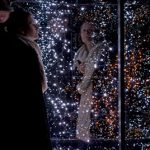
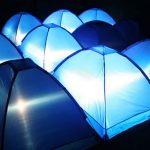
The sound- and light installation CAMPING ENSEMBLE will be presented on november 5th at the festival ANDERS! at the Wasserschloss Raesfeld; a regional film is chosen to direct 12 enlighted tents and different sine tones …
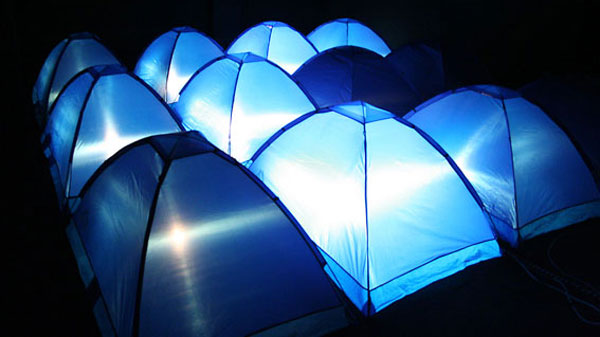
Camping Ensemble, light- and sound installation, 2009–2023

KHW&AkA – Landkultur anders is the title of our new catalogue that documents 5 years of art & music with more than 50 artists at various locations in the countryside! 176 pages, texts by Agnes Sawer, Britta Kusch-Arnhold, Stefan Demming, Graw Böckler. Book presentation jan 19th in Berlin, Kindl/Café Babette; More information (german)

Pig Brother

the AkA – studio for cultural affairs: adventures in contemporary art and music in public space and in a former village bakery – will continue through 2023

A new combination of the growing sculpture project „plantation“ (since 2013) will be shown at  kunstenlandschap in Lonneker/Enschede (NL) 4–6 of june 2022.

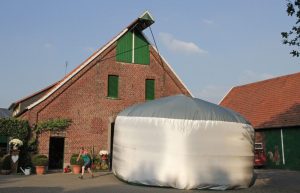
may 21st 2022:  A selection of „updated landscapes“ – works on industrial agriculture as well as Germany’s first inflatable biogas plant is presented at the Mühlenhof in Münster. There will also be available an edition of the new poster for the project „Pig Brother“ (in collaboration with Harko Wubs, 2022)!

jan 13th – feb 10th 2022: The exhibition „Olymp-Reisen“ (@ FARB, Borken) gave an overview on the project HTR – home travel remember, rethinking travelling and ended with a videoconcert

jan 22nd 2022: „MEXTENSIONS„: 15 artists were invited to join a chain-video-project, premiere @ Künstlerhaus Dortmund
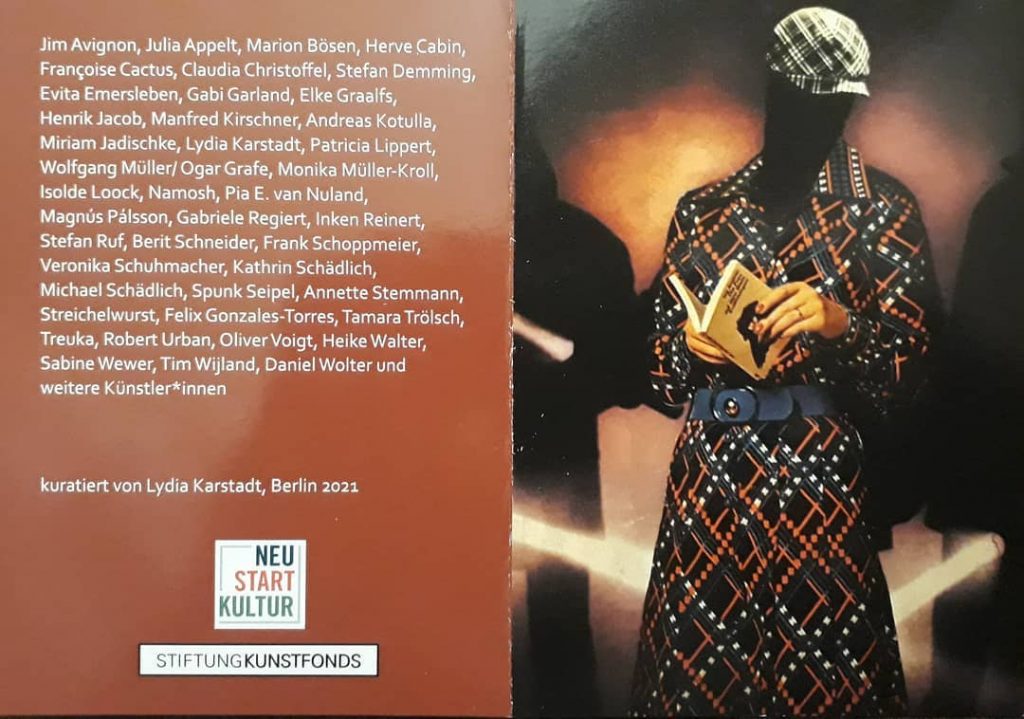
Crystal Ball Buchsalon
SALIGIA in Museum Abtei Liesborn 10. April bis 20. Juni 2021

Gesammeltes III: Chipstüten (17.11. – 1.12.2019)

october through december 2019:

GESAMMELTES # 1-3“ („Collected #1-3“) In collaboration with my artistic partner of Kunsthalle Weseke (KHW), Michael Rieken, we are using the private collection of things of chosen people to make a spatial light and sound installation at KHW
ONGOING (until 2020):

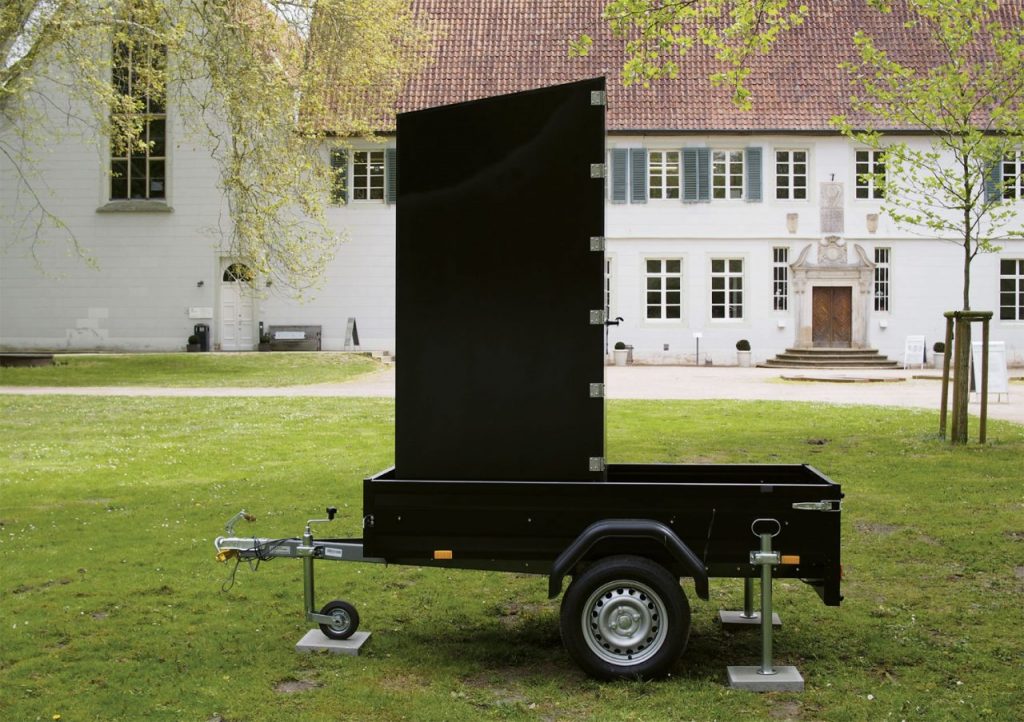
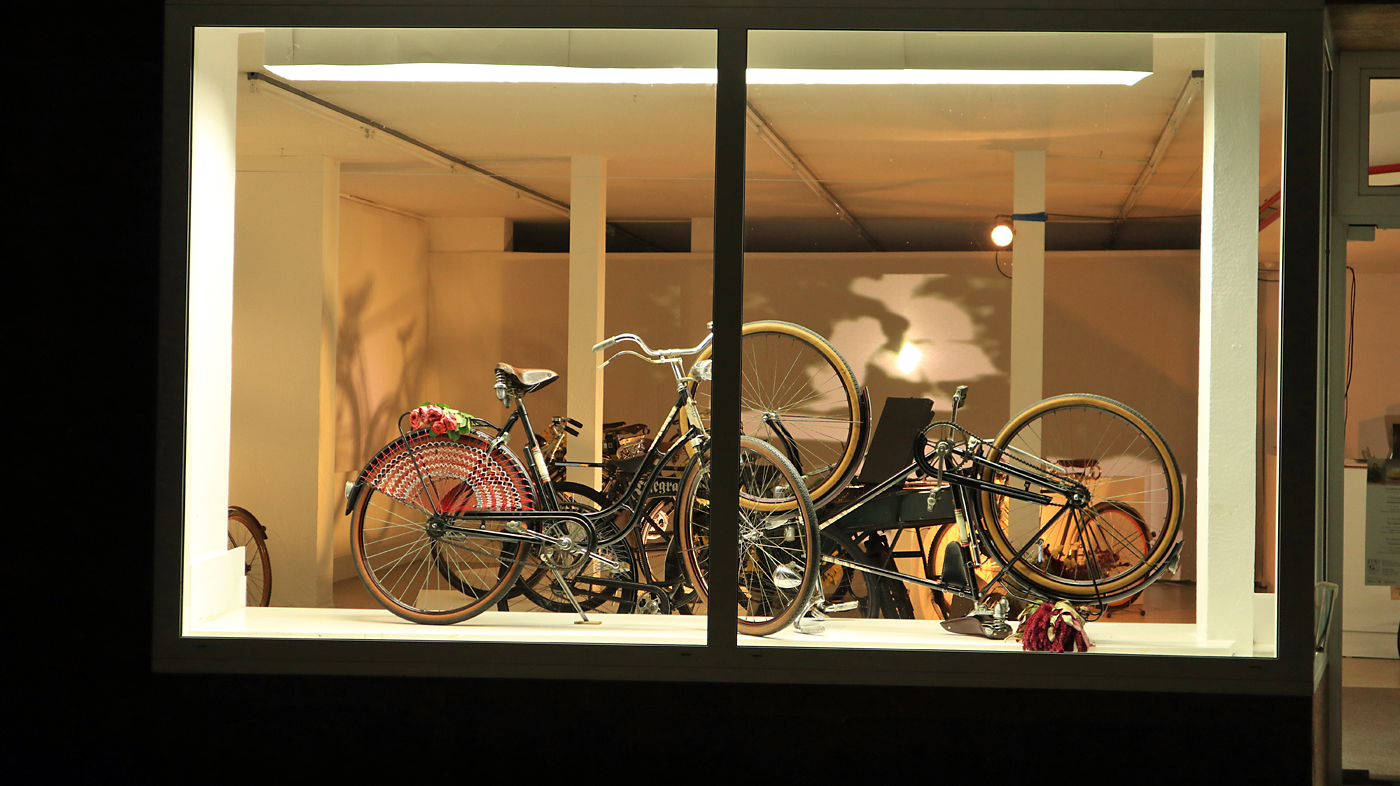
SaligiaPRIDE“ – Kloster Bentlage, Rheine

„Saligia-PRIDE“, trailer, wood, 50 fibre optic cables, iron handle, 5 spy holes, coated in black matte and partially glossy, 2019

***

PAST:

„regi-O-pera“, a dutch-german cross-border collaboration, has been shown in KHW and at LWL-Industriemuseum TextilWerk, Bocholt in late march 2019.

„Heimatrauschen, eine regi-O-pera“

***

Gruppenbild – 25 Jahre Klasse Guiton, Kulturkirche St. Stephani in Bremen
– 13.01.2019
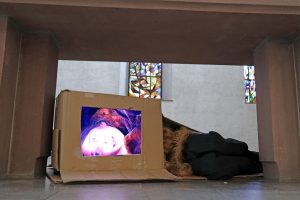
„Woman on the floor“ (2018) -> original version (in public space)

***

nov 10, 2018: POP-UP-PLANTS (WT, performance), within a kitchen debate with/by KVM, Frac Grand Large, Dunkerque (F)
***

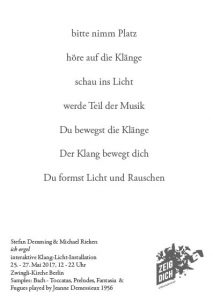
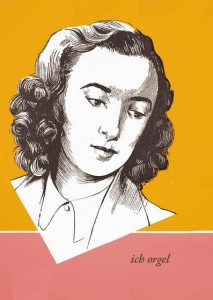
Ich-Orgel„, a reactive-generative light- and soundorgan (installation) in collaboration with Michael Rieken will be shown for the first time at the exhibition  „Zeig Dich“, DEKT Berlin, Zwingli-Kirche, may 25-27th 2017)
***

A Workshop on spactial practises at the Trondheim Academy of Fine Art on invitation of the 2017 graduating MFA class (april 20/21st  2017)
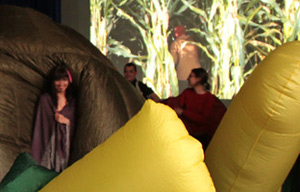
POP-UP-CORN, an Installative performance at „In-Lab: FGFG A Kitchen Debate“, Jan van Eyck Academy, Maastricht (NL) on invitation by Jessica Segall (march 16th, 2017)

***

The „Marzahn Opera“ will be open from sept 11th until october 28th at Galerie M in the very center of Berlin-Marzahn at the eastern edge of Berlin…

***

Ein wilder Apfelbaum will ich werden“ – „I want to become a wild apple tree“, is the titel of a cooperation exhibit with Daniela Schlüter at the Rijksmuseum Twente in Enschede in the framework of Printlab SNAP3.

***

LUURN BI DE BUERN a project by Daniela Schlüter and Stefan Demming on ‚contemporary agriculture‘ is presented at Kloster Bentlage from march 15 th to april 26th. Participating artists are: Matt Arrigo, Rudi Bastiaans, Willem Boom, Marion Bouwhuis, Josh Chircop, Stefan Demming, Wapke Feenstra, Hörner/Antlfinger, Erik Kok, Petra Spielhagen, Gintare Skroblyte, Daniela Schlüter, Marc Westermann, Anna Zibler

***

The HOST, a performance by Andros Zins-Browne with an inflatable set design by Stefan Demming will be presented in HAU, Berlin on april 25th and 26th 2015.

***

a residence in Judenburg, Austria, to prepare the first LIVE-SHOW with residents of the town in the framework of THE SMALLEST SHOW ON EARTH 2 will be presented from may 16th – 25th 2014

*

PLANTAGE – PLANTATION – a series of inflatable sculptures in public space was chosen for the residency KunstKommunikation at DA Kunsthaus Kloster Gravenhorst (realized in 2013; VIDEOS: Plantation#3, Plantation#2 as an installation & performance: ,1 / 2 / 3 )

*

ELÉG is presented at dc3 art projects (Edmonton, Canada)

Selcted Stills of ELÉG build the base for an edition of prints called FRAGMENTS OF A HUNGARIAN RHAPSODY

ELÉG – a hungarian rhapsody
HD VIDEO transfered to Blu-ray, 8’17“, colour, stereo, 2012
language: hungarian with german / english subtitles …. more …

*

SPACESPACE: VIDEO documentation now online!

*
THE EDGE

THE EDGE OF THE CITY (in collaboration with Wonne Ickx (B), 2004 – 2009)

Since 2008, more than half of the world’s population is living in cities.
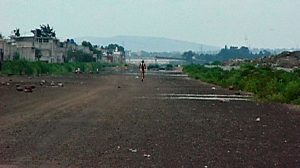
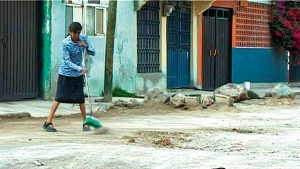
We were looking for people living at the edge of Mexico D.F. , a city that is called ‚endless‘. Most of them considered themselves not as being on the edge but rather in the center …

works:
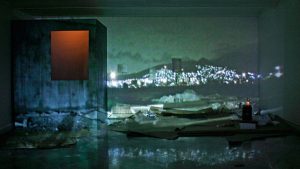
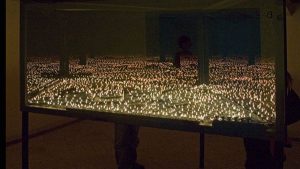
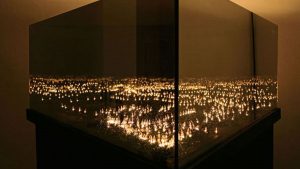
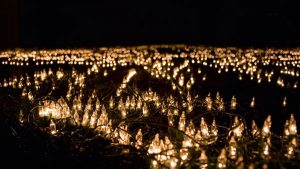
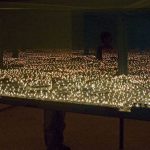
Endless lights (light sculpture, 2007)
The edge of the city (video, 2007))
De Noche (video installation, 2007))
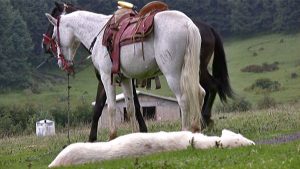
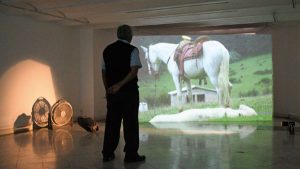
Horsedog (video installation, 2007))

LUURN BI DE BUERN* / Updated Landscapes
(*“lurking on farmers“ in lowgerman (Platt))

LUURN BI DE BUERN (2013-2016, in collaboration with Daniela Schlüter ) is a project on contemporary agriculture. It featured exhibitions with artists, lectures, performances and concerts in situ on 8 farms . Have a look at the artistic production of Stefan Demming for „LUURN“ below!

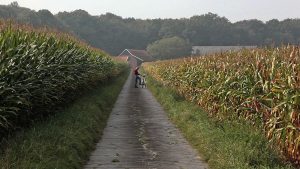
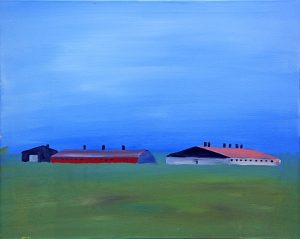
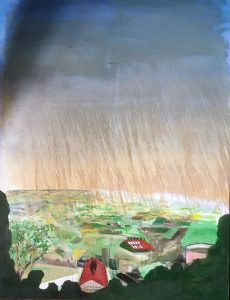
Updated Landscapes is an ongoing series of different production techniques reflecting upon the changes of landscapes especially in regions with industrial agriculture.

THE SMALLEST SHOW ON EARTH 2

THE SMALLEST SHOW ON EARTH 2 (2010 – 2014)
The traveling „SHOW“ is a fake circus in public space. In 2014 the audience was asked to make their own show. It also features the video „Just journey with them“ about two nuns that travel with a circus, and the spatial video installation The ShowShow.

THE SMALLEST SHOW ON EARH 2 – LIVE!

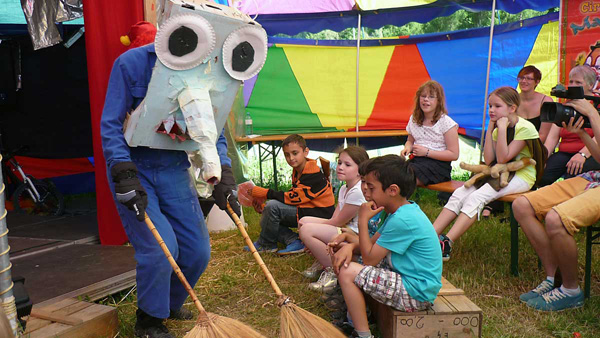
An improvised show with local heroes in a tent – a fake circus as an intervention in public space, 2014

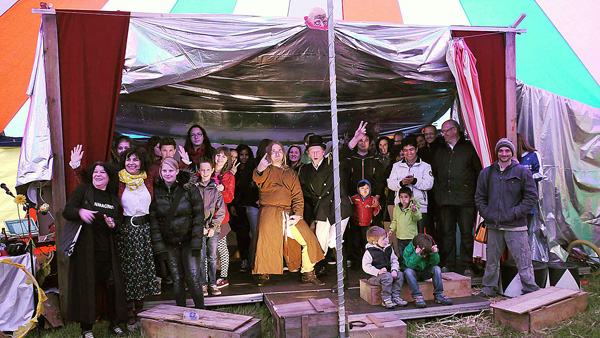
In a small town in Austria the project had its 14th stop and invited the neighbours to become part of it: we were looking for talents who were ready to present their performative capabilities during two weekends on stage.We were excited to welcome and present:
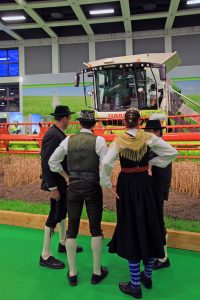
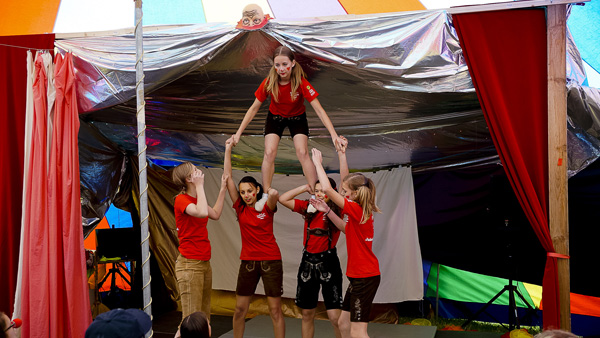
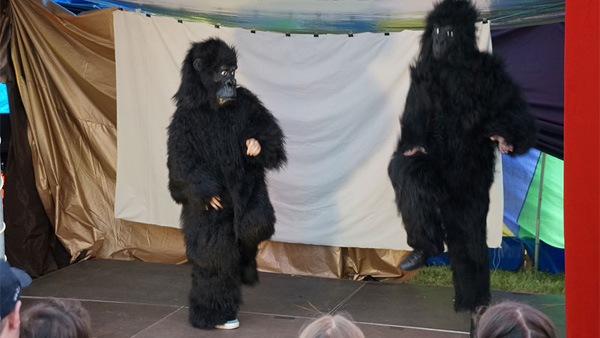
Miss Natalija with a real python, girls from the gym with a choregraphed performance, two gorillas performing a Schuhplattler (styrian folk dance), the local brass band with painted faces, two knights and her boss Margot (who also performed as Nina Hagen), the pakistani kids of the neighbour disguised as bankrobbers, yodelling Angie, retired Dr. Helmut Drexler as arabian storyteller and poet, half of a school class as Lucky Luke with a Pony, Cupsingers and HipHop dancers, a poodle playing football with three coaches, Bianca the rabbit magician, Michelle with a tight rope for drying her clothes, the strongest beatnik on earth, laughter yoga coach Ilse, the artist Alexander who impersonated a horse, a mosquito and a lion, a female Clown with her heavy metal playing boyfriend (on a guitar, unplugged) and Anita, the smallest princess on earth.
Every show was different depending on the presence of our local stars.
Stefan Demming as the director annouced every act and Mareike Hube accompagnied them with live music. Outside, the sideshow welcomed the audience.

Realized in the framework of „Unternehmen Paradies“, a project by transparadiso.

THE SMALLEST SHOW ON EARH 2 – project website or DOWNLOAD CATALOGUE (en / german)

projects

download PORTFOLIO – PDF (german/deutsch, 5 mb); new: Dekolonialwarenladen (2024)


 Marzahner Oper      Updated Landscapes                                                                

Marzahner Oper (Marzahn Opera)

(3-channel-HD-video, 6-channel-audio installation, 15′, colour, stereo, 2016)

1609mo_4364_1200

The „Marzahn Opera“ re-animates some figures from an east-german tv-soap opera that was shot in the just built highrisers of Marzahn in Berlin’s very east in the late 1970’s. In an architectural setting that ressembles east-german highrisers, some  scenes from „Einzug ins Paradies“ (moving in paradise, 1985) are appearing. The actors seem to stutter rhythmically: the sampled footage forms an electronic choir of everyday life and philosophical thoughts. The characters are sampled in short transformative loops so that their repetetive language turns into some kind of an electronic rap …

Videoloopmachine (VLM)

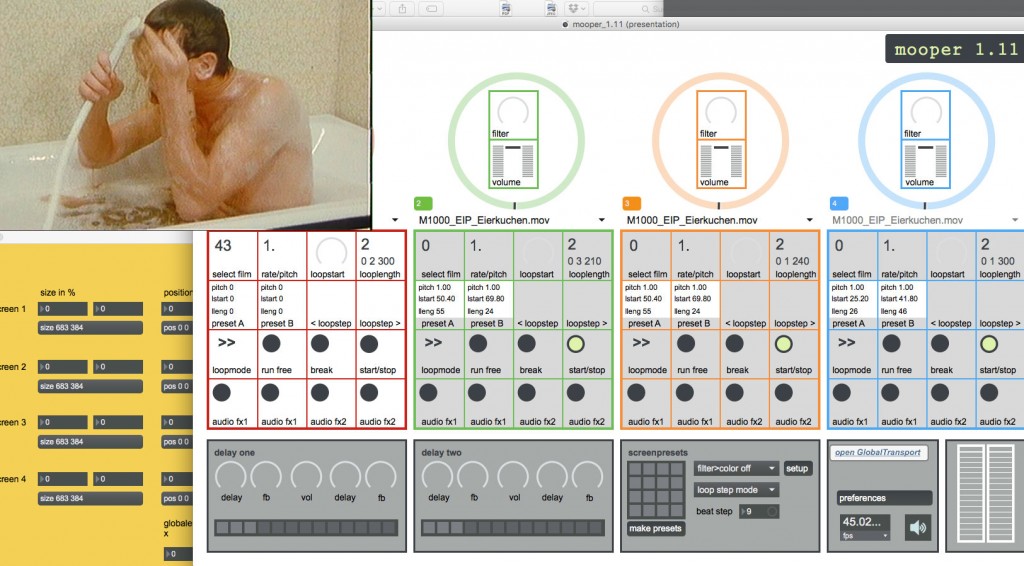
„Videoloopmachine“ is a tool to generate audiovisual compositions from video or film footage in realtime. It operates with transformative loops and an adjustable frameset for a splitscreen. It permits to create slowly changing rhythms and offers control over 4 different video channels. It can been used to make a poetical live composition about specific topics, areas, cities and contexts. I aim to play it like an instrument and also play it together with musicians like I did with Paul Michael von Ganski who mainly helped with the programming, too.

Some more sessions with this tool include the video concerts within a project on forms of travelling

(documented journeys in a remix)

Developing / 1st(2nd) phase:

VLM_Software
VLM – custom made software with F1-controler (concept by Demming/Rieken, programming by Michael Rieken 2016)

It allows to explore older movie fotaage as the basis for timebased collages and compositions. The footage for the first and proposed project comes from an east german tv-series from the 1980’s and will also be presented where it was shot in Marzahn. The district in the outskirts of Berlin is famous for it’s highrisers, that once were the most modern and comfortable housings from the GDR.

VLM_Collage3w    VLM_Collage2w

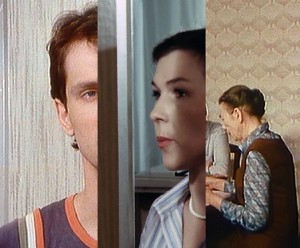
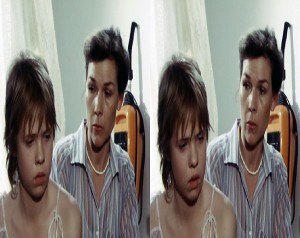
„Videoloopmachine“ is suited to produce one-channel-videos with a split screen  of four in  audiovisual performances. (The programming of VLM was done by Michael Rieken)

Find two scetches of VLM here:

The edge of the city

SD Video, PAL. colour, stereo, 30‘39‘‘, 2007 english / spanish, english subtitles

Since 2008, more than half of the world’s population is living in cities. The project „The edge of the city“ started 2004 as a cooperation with urbanist Wonne Ickx (Be/Mx) and became an audiovisual (re)search of the edges of Mexico City. We focussed on the people and their conditions of living there. The video combines different styles of storytelling, oscillates between documentary and essay.
It was the startingpoint for a series of works dealing with the idea of an endless cityscape.

The Edge of the City – text by Ruth Estévez

Stefan Demming’s artistic practice is a practice of travel. In his work he fosters the observation of daily scenarios to narrate different kind of human adventures. Throughout his voyages, the artist is recording with his video camera his appeal to moments and landscapes emphasizing concrete situations, which become in the very process of documentation independent and unique accounts.

By using maps and imaginary routes, Demming searches for places and spaces, where he sometimes takes their more obvious and literal function while other times he metaphorically alters their order, constructing adventures which give inner sense to what’s been previously recorded; it is this same sense that the traveler transforms his actions into epic poems regardless of the triviality of the facts exposed.

The exhibition entitled El límite de la ciudad (The Edge of the city) is based on the artist’s documentary with the same name, filmed in 2004 while visiting Mexico City. The video oscillates between document and fiction in order to narrate Demming‘s trip with urbanist Wonne Ickx, in search of the unpredictable limits of the metropolis.

From the start, there is no intention of revealing the actual limits of the city. Rather, the artist chooses to fantasize about the mysterious limits that appear to be never ending. This way all the research turns into a novel, moving towards a theme of the protagonists’ travels and adventures while at the same time revealing the conditions of survival based on the improvised reality that surrounds them.

To achieve the task, the artist becomes an ambiguous mixture between traveler and cartographer (a concept that may seem contradictory at first). The journey1 (something the cartographer doesn’t trust, even to the point of hating it) will be constructed from an imaginary relationship between the gaze and the landscape, camouflaged by the intention of finding the geographic demarcation of the city.
Throughout various interviews conducted in random encounters with strangers, the artist receives some kind of confirmation regarding the supposed limits of the city, which he then decides to disregard in an attempt to keep them unknown. Demming prefers to contemplate (in an almost Baudelaire-esque2 fashion) the urban horizon, marking a subtle difference between everyday functionality and the creation of myths.
It is through these excerpts that the exhibition reviews moments (personal anecdotes or stories told by others), spaces and daily activities that together reveal the possibility of urban boundaries.

Simulations, almost theatre sets- videographical or sculptural- which allow the optical illusion of the infinite, the structuring of the unimaginable and above all, the feeling of uncertainty and instability that comes with this changing geography.

Ruth Estévez

1 The notion of “a journey” is forged as one in the romantic sense of 19th century travelers, where the “real landscape” (perceived as something controlled and humanized) is replaced by the “sublime landscape”, which excites and provokes surprises or wonder.
2 Contrary to the first German Romantics where the poetic landscape was primarily constructed from nature, Baudelaire’s poetic landscape could have only been the city, the 19th century metropolis and its anonymity, its size and its misery.